.png)
After a storm, many Florida property owners are left with the same frustrating question: is this wind damage or water damage?
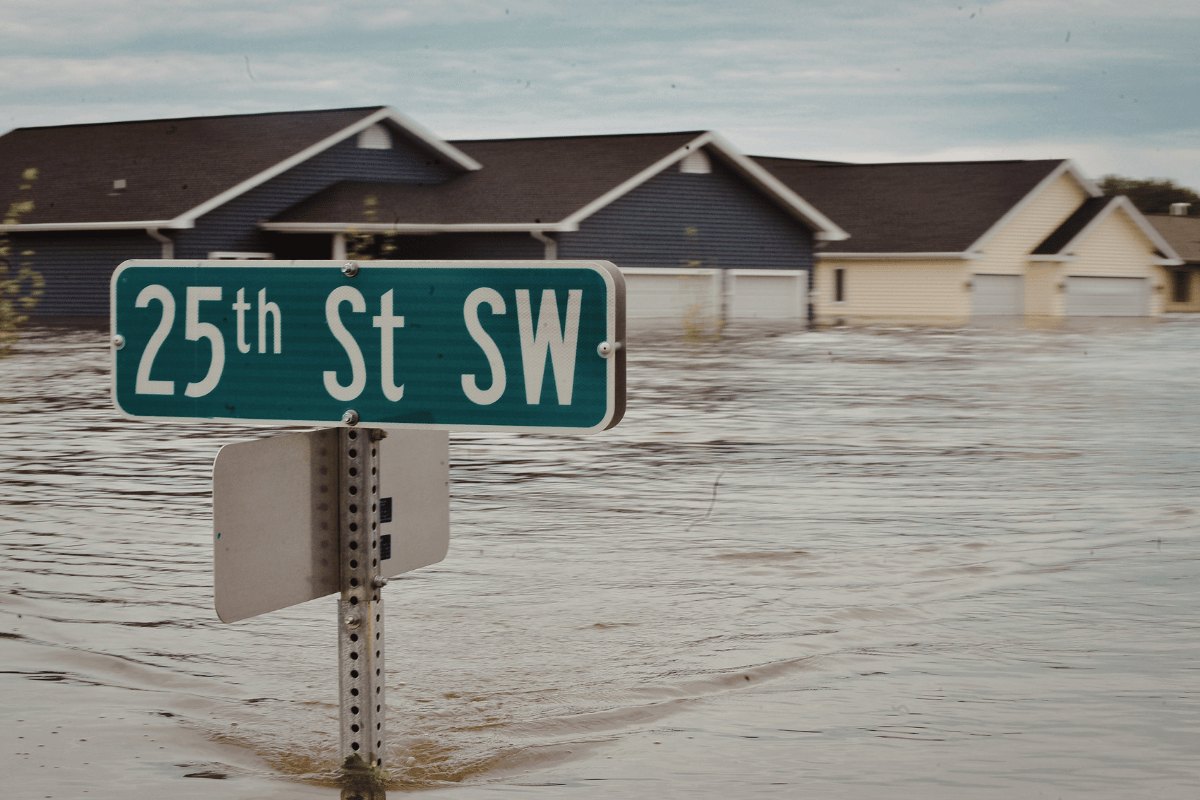
After a storm, many Florida property owners are left with the same frustrating question: is this wind damage or water damage?
The answer matters more than most people expect. Insurance companies often separate the two and use that distinction to limit or deny coverage, even when both clearly played a role. For homeowners who do not deal with insurance claims often, the difference can feel technical and high-stakes, especially when major repairs are on the line.
At PLG Damage Attorneys, we understand how insurers classify wind and water damage, and can help property owners avoid costly mistakes and protect their claims.
Florida insurance policies usually treat wind and water damage very differently. Wind damage is often covered under a standard homeowners policy, although a separate hurricane or windstorm deductible may apply. Water damage, particularly flooding or storm surge, is frequently excluded unless the property owner has a separate flood insurance policy.
Because of this split, insurance companies often focus less on what actually happened during the storm and more on how the damage can be categorized under the policy. When wind and water occur together, that classification becomes one of the most common points of dispute.
Wind damage generally refers to harm caused directly by strong winds during storms or hurricanes. This often includes:
Even when wind clearly creates an opening that allows rain inside, insurance companies may still argue that the resulting interior damage was caused by water, not wind. That distinction is frequently challenged in Florida property damage claims.
Water damage can come from many sources, and not all are treated the same under insurance policies. Rainwater entering through roof openings or broken windows may be covered, while water entering from the ground up is often excluded. Moisture that leads to soaked flooring, damaged drywall, or mold may also be disputed if the insurer claims it developed gradually or was unrelated to the storm.
These distinctions are rarely clear-cut, and insurers often rely on technical definitions to limit coverage, even when the damage is clearly tied to a storm event.
Many claims are delayed or denied because insurers argue that the damage falls into an excluded category or does not meet policy requirements, such as:
These arguments often ignore how storms actually affect homes in Florida, where wind, rain, and pressure changes frequently work together.
Rather than getting stuck on technical labels, property owners should pay attention to when the damage first became noticeable and whether a storm or weather event contributed. If the damage worsened over time or affected the structure or livability of the property, it may be appropriate to report it.
You do not need to decide whether damage is officially “wind” or “water” before reporting it. That classification is often disputed and evaluated later in the claims process.
How PLG Damage Attorneys Helps with Wind and Water Damage Claims
When insurance companies draw hard lines between wind and water damage, PLG Damage Attorneys helps by:
Many wind and water overlap claims can be resolved more fairly with the right legal strategy.
Talk to PLG Damage Attorneys Before an Insurance Company Decides for You
At PLG Damage Attorneys, helping Florida homeowners navigate these disputes is part of the daily work. The goal is straightforward: hold insurance companies accountable and help property owners get the coverage they paid for.
If your property was damaged in a storm and you are unsure how your insurance company is classifying the damage, reach out today. A review of your situation can help clarify your options and protect your claim.