.png)
Policy language is dense. Inspections can miss real damage. And decisions often come down to fine print that most property owners never see until it is too late.
This blog is where PLG shares practical insight on property damage claims and insurance disputes.
The goal is simple. Help property owners understand what is happening, what questions to ask, and what options may be available when an insurer delays, underpays, or denies a claim.

When a home is damaged, insurance inspections often focus on what is easy to see. A stained ceiling. A cracked wall. Missing shingles. Burn marks. What many Florida homeowners do not realize is that the most expensive damage is often the damage that does not show up right away.

If you’ve filed a property damage claim in Florida recently, you may have noticed a frustrating pattern. The insurance company responds, but the payment is far lower than expected. Sometimes it barely covers a fraction of the repairs. Other times, it comes with pages of explanations about exclusions, depreciation, or limited coverage.
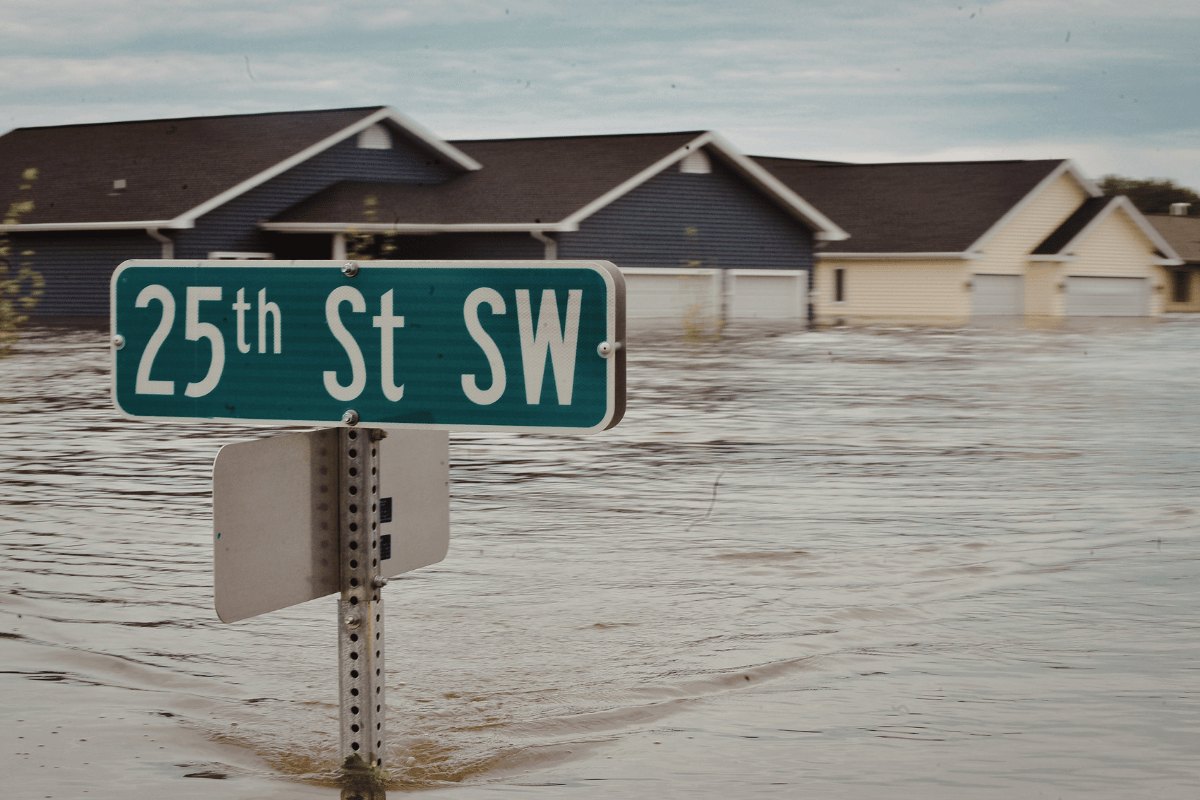

Most Florida homeowners do not deal with insurance claims very often. You are not reading policy fine print every day, and you are not used to navigating adjuster calls, deadlines, and coverage language. When your home is damaged and repairs are on the line, that unfamiliar process can feel intimidating fast.

When a hurricane hits Florida, your first thought is safety. Your second is getting your home and life back in order. But what happens when your insurance company refuses to help? If your hurricane claim was denied or underpaid, you’re not alone, and you don’t have to accept their answer.

When your ceiling caves in after days of heavy rain, when a burst pipe floods your home overnight, or when hurricane winds rip apart your roof, you’re left facing not only the damage itself but also the uncertainty of what comes next. In Florida, filing a property damage claim can mean the difference between getting your home repaired quickly or being left with bills your insurance company refuses to cover.
If something about your claim does not add up, learning more about your options can make a real difference.
If you want to better understand where your claim stands and what comes next, start with a free consultation.